

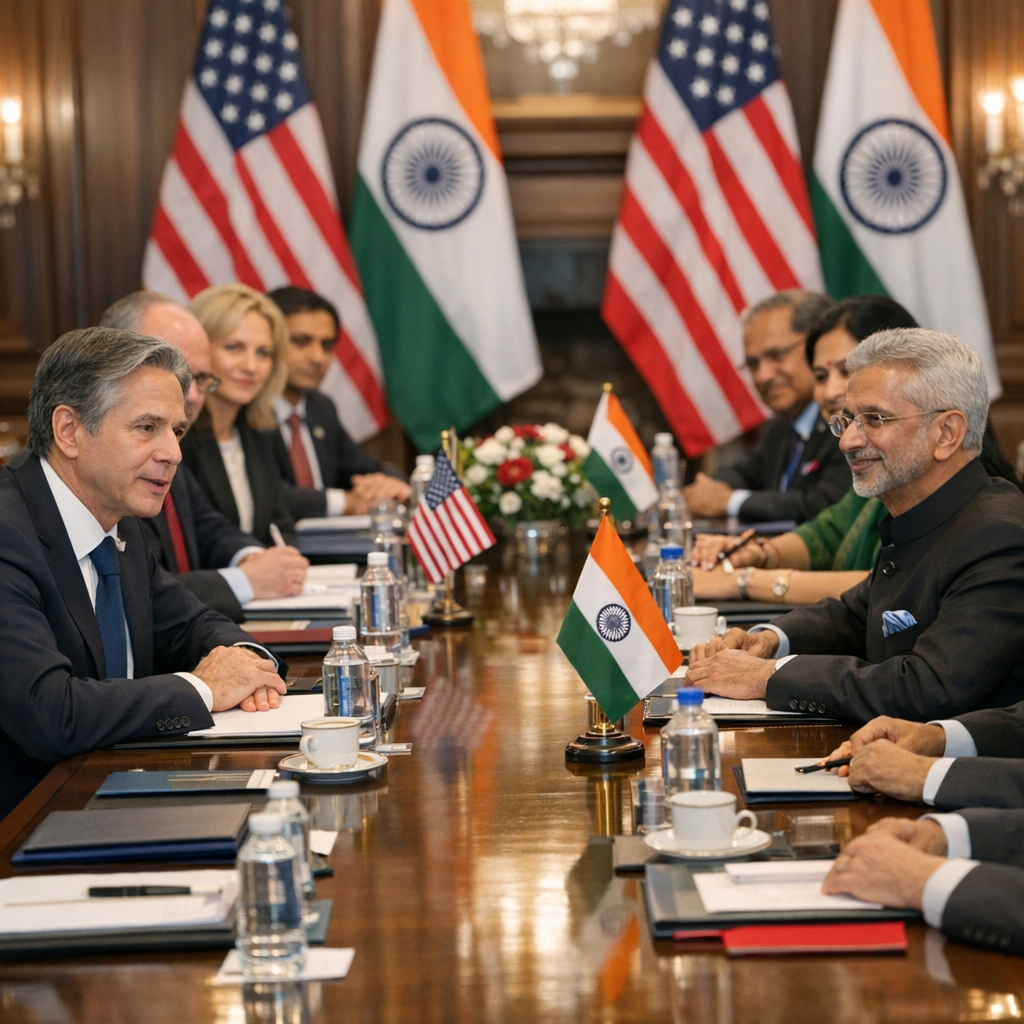
The relationship between the United States and India has undergone significant transformation over the past few decades, evolving into a multifaceted strategic partnership. This alliance is rooted in shared democratic values and mutual interests, encompassing defense, technology, trade, and people-to-people connections.
Historical Context
Since India’s independence in 1947, the U.S.-India relationship has experienced various phases, from periods of estrangement during the Cold War to a more collaborative approach in recent years. The end of the Cold War marked a turning point, leading to enhanced diplomatic and economic engagements between the two nations.
Defense and Security Cooperation
Defense collaboration has become a cornerstone of the bilateral relationship. Both countries have engaged in joint military exercises, defense technology transfers, and intelligence sharing. The Quadrilateral Security Dialogue (Quad), which includes Japan and Australia, exemplifies their collective commitment to ensuring a free and open Indo-Pacific region.
Economic Ties
Trade and investment form another critical pillar of U.S.-India relations. Bilateral trade has seen substantial growth, with both nations benefiting from increased market access and investment opportunities. However, challenges such as tariff disputes and differing regulatory standards occasionally surface, requiring ongoing dialogue to resolve.
People-to-People Connections
The Indian diaspora in the United States plays a significant role in strengthening bilateral ties. Indian Americans contribute notably to various sectors, including technology, medicine, and academia, fostering cultural and economic linkages between the two countries.
Challenges and Opportunities
Despite the positive trajectory, certain challenges persist. Trade imbalances, visa policies, and differing stances on global issues can create friction. However, both nations continue to seek common ground, recognizing the strategic importance of their partnership in addressing global challenges such as climate change, terrorism, and economic development.
In conclusion, the U.S.-India relationship is characterized by a dynamic interplay of cooperation and challenges. As both nations navigate the complexities of the 21st century, their partnership remains pivotal in shaping regional and global outcomes.